








Cleaning prices London versus Manchester what to expect
Posted on 25/08/2026
If you are comparing cleaning prices in London versus Manchester, you are probably trying to answer a very ordinary but important question: what should I actually expect to pay, and why does the quote change so much from one city to the other? The short version is that location matters, but so do property size, parking, access, urgency, and the type of cleaning itself. A one-bedroom flat in a quiet Manchester street is not the same job as a two-bed flat above a busy London high road. Not even close, to be fair.
This guide breaks down the practical differences without the fluff. You will see what influences cleaning costs, how quotes are usually structured, where London tends to sit above Manchester, and how to compare cleaners properly so you do not end up paying for vague wording, hidden extras, or rushed work. It also helps if you are deciding between services such as steam carpet cleaning, house cleaning, office cleaning, upholstery cleaning, rug cleaning, or hard floor cleaning. Different services price differently, and the city you are in shifts the final number more than most people expect.

Why Cleaning prices London versus Manchester what to expect Matters
Price comparisons sound simple until you start getting quotes. One cleaner says "from GBPX", another quotes by room, another by hour, and suddenly the numbers do not line up. That is where understanding the city difference helps. London usually carries higher operating costs: travel time, parking, congestion, labour pressure, and sometimes a more expensive customer base. Manchester can still be highly competitive, but many cleaning jobs there come in at a lower starting point, especially outside the city centre.
Why does this matter so much? Because people often compare the headline price instead of the total value. A cheaper quote can become expensive once you add stain removal, pet hair treatment, stair access, key collection, or a parking charge. In our experience, the final bill is where most surprises live. The cleaner is not always the cheapest one, and the cheapest one is not always the bargain. Bit of a headache, really.
It also matters because different cleaning categories behave differently. End of tenancy cleaning, office cleaning, and deep carpet cleaning all have different labour demands. A London office clean in a busy postcode is often priced on a different basis from a Manchester domestic clean because the access, schedule, and urgency can be quite different. If you only compare "cleaning prices" as one broad thing, you miss the real driver.
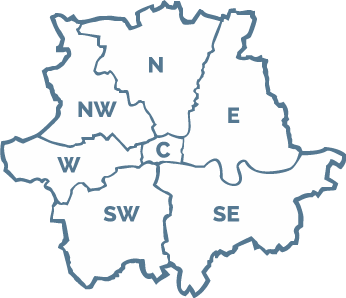
For London customers, local pages such as Central London cleaning coverage, West London services, and Greater London cleaning are useful because pricing often varies by area within the city itself. A cleaner in a busy central zone may have different overheads from one working in a quieter outer area. Manchester has its own local variations too, even if the overall market can feel a touch more affordable.
How Cleaning prices London versus Manchester what to expect Works
Most cleaning quotes are built from a small set of ingredients. The formula changes from company to company, but the logic is usually the same. First comes the base cost of labour. Then the cleaner adds travel, equipment, materials, and any job-specific risks. After that, they may factor in time sensitivity, property size, and how difficult the clean is likely to be. Nothing magical. Just arithmetic, dressed up a bit.
In London, labour and travel often push the quote higher. A team might need longer to reach the property, more time to park, and more time to carry equipment through a block or terrace layout. In Manchester, access may be easier on average, and travel distances between jobs can be shorter. That does not guarantee a low price, but it often lowers the starting point.
There is also a difference between fixed-price and hourly models. Fixed-price quotes are common for carpet cleaning, upholstery, and standard house cleaning packages. Hourly pricing is still common for domestic cleaning and some office work. The danger with hourly pricing is that "cheap per hour" can become not-so-cheap if the cleaner works slowly or arrives underprepared. Fixed-price pricing can be safer if the scope is clear, but only if the quote includes everything you need.
Expect service type to matter as much as location. For example, a carpet clean may be priced by room count, sofa size, or carpeted area, while an office clean may depend on square footage, number of desks, and frequency. A one-off deep clean is usually more expensive than a regular maintenance visit, because the first visit does the heavy lifting.
If you are browsing service pages, you will also notice that specialist work is usually priced differently from general cleaning. A rug clean, upholstery treatment, or hard floor restoration is more technical than a standard wipe-and-vacuum. That is normal. Specialist cleaning requires more skill, more care, and, sometimes, more drying time. You would not want a one-size-fits-all quote for all of that anyway.
Key Benefits and Practical Advantages
Comparing London and Manchester cleaning prices properly does more than save money. It helps you buy the right type of service. Once you understand the structure, you can judge whether a quote is fair, whether a company has underpriced the job, and whether there is value in paying a little more for reliability.
- Better budgeting: You can plan around likely add-ons before booking.
- Clearer comparisons: You are comparing like with like, not just the cheapest number.
- Fewer surprises: Parking, access, and minimum charges become visible early.
- More suitable service selection: A deep clean, maintenance clean, or specialist treatment each has a different purpose.
- Better quality control: You can spot quotes that look too low to be realistic.
The best practical advantage is peace of mind. That sounds a little soft, maybe, but it matters. A properly explained quote lets you decide confidently and avoid the awkward back-and-forth on the day when the cleaner arrives and says, "That will be extra." Nobody enjoys that moment, especially when the kettle is already on and the house looks like it has had a long week.
There is also a trust benefit. A company that explains how its pricing works usually communicates better overall. That often means fewer misunderstandings about what is included, what is excluded, and how long the clean should take. And honestly, that is half the battle.
Who This Is For and When It Makes Sense
This comparison is useful for homeowners, tenants, landlords, letting agents, office managers, and anyone who is trying to plan a clean without overpaying. It is especially relevant if you are moving home, preparing a rental property, dealing with post-renovation dust, or booking recurring cleaning for an office or busy family home.
For tenants and landlords, price awareness can prevent disputes. End of tenancy cleaning often has strict expectations, and the cost can differ based on property condition, appliance cleaning, and whether carpets or upholstery need attention. For office managers, pricing clarity matters because regular schedules, keyholding, and out-of-hours access can change the quote quite a bit.
If you are in London, you may also want to compare local coverage carefully. A cleaner working across North London or South West London may quote differently from one serving outer boroughs. If you are in Manchester, the same principle still applies, just with a different city pattern. In both places, the exact postcode can matter more than people think.
This guide makes sense if you want a realistic expectation rather than a rough guess. If you just want the cheapest thing possible, well, that is a different game. But if you want decent work, a fair price, and no awkward surprises, this is the right place to start.
Step-by-Step Guidance
Here is a straightforward way to compare cleaning prices in London and Manchester without getting lost in jargon.
- Define the job clearly. Is it a regular house clean, deep clean, carpet clean, office clean, or one-off specialist task?
- List the size and condition. Number of rooms, floors, bathrooms, carpets, sofas, rugs, or workstations all matter.
- Check access details. Stairs, lifts, parking, key collection, and arrival windows can affect price.
- Ask what is included. Cleaning products, equipment, stain treatment, and drying advice should be clear.
- Confirm whether the quote is fixed or hourly. This changes how you judge value.
- Compare the full cost, not the headline. Look for minimum charges and add-ons.
- Ask about timing. Urgent, evening, and weekend bookings are often priced differently.
- Check local coverage. A provider that knows your area is more likely to quote accurately and arrive prepared.
A practical example: if you need a three-bedroom house clean in Manchester and the provider quotes a fixed rate including bathrooms, kitchen surfaces, and vacuuming, that quote may be easier to compare than a London hourly rate that excludes oven cleaning and window work. Both can be fair. They just need to be measured properly.
When the job is specialist, such as a fabric sofa or area rug, ask whether the cleaner will assess fibre type, stains, and drying conditions first. That detail matters because delicate materials can need a gentler approach. The difference between "clean enough" and "done properly" can be one extra five-minute inspection, and that is time well spent.
Expert Tips for Better Results
If you want the best outcome, a few small habits make a surprisingly big difference. They do not sound dramatic, but they save money and reduce the risk of disappointment.
- Be specific from the start. Say what the cleaner will actually face, not just what the property is called.
- Send photos where possible. Stains, wear, and access issues are easier to judge visually.
- Match the service to the problem. A general house clean will not replace a proper steam carpet clean if the carpet is heavily marked.
- Ask what happens if the job takes longer. This is especially important for hourly bookings.
- Check whether parking or congestion is included. London jobs often need a clearer conversation here.
One good rule: if the quote sounds suspiciously simple, ask one more question. Just one. "Is everything included?" That single line can reveal a lot. It is a very boring question, admittedly, but a useful one.
If you are comparing cities, avoid assuming that the lower city always wins. A Manchester quote may look cheaper, but a London cleaner might include more detail, use better equipment, or offer a more specialist service. The right comparison is not "which city is cheaper?" but "which quote gives the best value for this job?" That framing helps a lot.
And if you are comparing multiple services, remember that some jobs benefit from a provider with broader capability. A company that handles house cleaning, office cleaning, upholstery cleaning, and hard floor cleaning can often coordinate work more efficiently than separate specialists. Not always, but often enough to ask.

Common Mistakes to Avoid
Most pricing mistakes happen before the cleaner even starts. That is the annoying part. People rush the decision, skim the details, and then get frustrated when the invoice reflects the real scope of work.
- Comparing only the cheapest quote. Low price can hide exclusions or limited coverage.
- Not describing the job properly. Missing a rug, staircase, or heavily soiled area can change the whole estimate.
- Ignoring access issues. Parking, lifts, and entry delays all affect cost.
- Assuming London and Manchester pricing should match. They usually will not, and that is normal.
- Forgetting regular versus one-off differences. Recurring cleans are usually better value than deep one-off visits.
- Not checking what the cleaner brings. Equipment and product quality can be important, especially for specialist work.
There is another mistake people make: they expect every cleaner to price exactly the same way. They will not. Some quote by room, some by hour, some by square metre, and some by task. That does not automatically mean one is right and one is wrong. It means you need to read the quote like a grown-up, sorry, but there it is.
One more thing. If a quote feels unusually low in a high-cost city, ask why. Maybe the company is efficient. Maybe it is new. Or maybe it has left out the not-so-small details. Better to know now than on cleaning day when the hoover is already humming.
Tools, Resources and Recommendations
You do not need a complicated toolkit to compare cleaning prices properly, but a little organisation goes a long way. The simplest tools are often the best ones.
- A room list or property checklist: Helps you count exactly what needs cleaning.
- Photos or short videos: Useful for stains, access, and parking context.
- A note of priorities: Decide whether you care most about price, speed, specialist treatment, or flexibility.
- A comparison table: Handy for comparing what each quote includes.
- A basic calendar: Useful if you are comparing weekday and weekend rates.
If you want to see the wider range of services a provider may offer, it can help to review their services overview and cleaning advice articles. Those pages can give you a better feel for how the company explains its work, which is often more revealing than a price alone. You can also learn more about the business itself on the about us page, which is handy when you want reassurance before booking.
In practical terms, the best recommendation is simple: request the same information from every cleaner. Same property details, same service type, same timing, same expectations. That is the only fair comparison. Otherwise you are comparing apples and oranges, or maybe apples and a half-remembered pear.
Law, Compliance, Standards, or Best Practice
Cleaning pricing is not heavily regulated in the same way as some other industries, but there are still important best-practice expectations. A trustworthy cleaner should be clear about what is included, honest about limitations, and careful with any specialist materials or surfaces.
For example, if a property contains delicate flooring, natural fabrics, or sensitive surfaces, the cleaner should use an appropriate method and explain any risks before starting. That is especially relevant for upholstery, rugs, and hard floors. If equipment, detergents, or moisture levels are not handled correctly, damage can happen. It is not common when work is done properly, but the possibility is real enough to mention.
From a customer point of view, the best practice is to keep expectations realistic. A deep clean improves condition, hygiene, and appearance, but it cannot always reverse age, wear, or long-term staining. A cleaner should say that plainly rather than promising a miracle. And yes, miracle-level promises are usually a red flag.
For businesses, especially offices, it is sensible to ensure cleaning arrangements fit your site rules, access controls, and health and safety expectations. That does not have to be dramatic or formal. Just sensible. A good cleaner should work around building requirements, respect private areas, and avoid disruption.
Options, Methods, or Comparison Table
Below is a simple comparison of what you can generally expect when looking at cleaning prices in London versus Manchester. These are not fixed market rates; they are practical expectations based on how quotes are usually structured.
| Factor | London | Manchester | What to watch for |
|---|---|---|---|
| Base pricing | Often higher | Often lower or more competitive | Check whether the service scope is identical |
| Travel and access | Frequently adds cost | Sometimes simpler and cheaper | Parking, congestion, and entry delays matter |
| Hourly cleaning | Can be pricier per hour | May look more affordable | Speed and efficiency matter more than the hourly headline |
| Fixed-price cleaning | Common for larger or specialist jobs | Also common | Compare inclusions line by line |
| Specialist services | Likely higher due to overheads | Still dependent on complexity | Rugs, upholstery, and hard floors should be quoted carefully |
| Recurring bookings | May offer better value over time | Often attractive too | Frequency can reduce per-visit cost |
If you are choosing between methods rather than cities, think about the result you need. Steam cleaning is often a strong option for deep fabric and carpet refreshes. House cleaning is better for routine upkeep. Office cleaning is usually about consistency and minimal disruption. Upholstery and rug cleaning need more care. Hard floor cleaning often sits somewhere in the middle, depending on the surface and finish.
One neat way to decide is to ask: what is the main job here? Freshen the home? Remove embedded dirt? Prepare for move-out? Keep staff areas tidy every week? Once you name the job properly, the right method usually becomes obvious.
Case Study or Real-World Example
Here is a realistic example from the sort of comparison people make every week. A customer needs a two-bedroom flat cleaned before new tenants move in. They get one quote in London and one in Manchester. The London quote is higher, but it includes a tighter arrival window, staircase access allowance, and more detailed kitchen and bathroom cleaning. The Manchester quote is lower, but the customer would need to provide better access information and confirm whether appliances are included.
At first glance, the Manchester quote looks like the winner. But once the customer adds the missing items, the gap narrows. That is the whole point of comparing properly. The lower price was not fake; it was just incomplete for the actual job. Happens all the time.
Another example: a small office in London wants weekly cleaning after hours. The quote is higher than a similar office in Manchester, but the London building has stricter entry times, added keyholding admin, and longer travel time for the cleaner. Once those factors are counted, the difference makes sense. It is not just "London being London". It is logistics.
These situations are where a clear service description helps most. If you need broader support for domestic or commercial spaces, it can be useful to look at office cleaning options and house cleaning services to understand how different job types are typically approached. The more you understand the scope, the easier it is to judge whether a quote is good value.
Practical Checklist
Use this checklist before you accept a quote.
- Have I described the property clearly?
- Have I listed every room, carpet, rug, sofa, or floor area that needs attention?
- Have I explained access details, parking, and time restrictions?
- Do I know whether the quote is fixed or hourly?
- Have I checked what cleaning products and equipment are included?
- Are there extra charges for stairs, heavy staining, or urgent bookings?
- Do I understand whether this is a deep clean, maintenance clean, or specialist clean?
- Have I compared at least two or three quotes using the same information?
- Does the provider seem clear, responsive, and realistic?
- Am I comparing total value, not just the cheapest headline?
If you tick most of those boxes, you are already ahead of many people booking cleaning services. Simple as that. And it saves time later, which is always a relief.
Conclusion
Cleaning prices in London versus Manchester are shaped by the same basic ingredients, but the balance shifts by city. London often costs more because of travel, access, and operating pressure. Manchester often feels more affordable, but the actual price still depends on the service type, property size, and level of detail needed. The smartest approach is not to chase the lowest figure. It is to compare the full job properly and choose the quote that matches your real needs.
Once you understand how quotes are built, you can ask sharper questions and avoid unnecessary extras. That means better value, fewer surprises, and a smoother experience overall. Whether you need routine maintenance or something more specialised, a clear quote is worth its weight in gold. Or at least worth a calm, tidy afternoon.
If you are still weighing up your options, take a moment to review the service details, think about what kind of clean you really need, and choose the provider that explains things clearly. That usually tells you more than a bargain price ever could.
Get a free quote today and see how much you can save.
And if you want a final rule to carry away, it is this: the best cleaning price is the one that makes sense when the job is done, not just when you first read the quote.