



Essential guide to emergency stain treatment before cleaners arrive
Posted on 15/07/2026
A fresh stain has a funny way of turning an ordinary day into a bit of a panic. One minute it is a dropped coffee, a splash of red wine, or muddy footprints after a rainy London morning; the next, you are staring at the mark and wondering whether you should scrub, blot, freeze, or simply stand there and hope it disappears on its own. Truth be told, the first few minutes matter a lot.
This Essential guide to emergency stain treatment before cleaners arrive is here to help you do the right thing before a professional cleaner gets to your home or office. The aim is not to deep-clean the stain yourself. It is to slow the damage, protect the fibres or surface, and avoid the classic mistakes that make a stain harder to remove later. That little bit of calm, done properly, can save a lot of grief.
Below, you will find practical steps, smart do-not-do advice, and a simple decision guide for carpets, rugs, upholstery, and hard floors. If you want a broader look at services that may be useful after the emergency has been handled, you can also explore steam carpet cleaning, upholstery cleaning, and rug cleaning.
- Why it matters
- How emergency stain treatment works
- Key benefits and practical advantages
- Who this is for and when it makes sense
- Step-by-step guidance
- Expert tips for better results
- Common mistakes to avoid
- Tools, resources and recommendations
- Law, compliance, standards, or best practice
- Options, methods, or comparison table
- Case study or real-world example
- Practical checklist
- Conclusion
- Frequently asked questions
Why Essential guide to emergency stain treatment before cleaners arrive Matters
Stains do not just sit there politely. They spread, soak in, oxidise, dry, and sometimes bond with the surface. By the time a cleaner arrives, the situation may have changed quite a bit. That is why the first response matters so much. The goal is to reduce the stain's hold, not to perform a heroic rescue with half a bottle of whatever is under the sink.
This is especially true on absorbent materials like carpet pile, wool rugs, fabric sofas, or unsealed flooring. Liquids travel fast along fibres and underlay, and heat can make some stains set even more firmly. Grease, dye-based drinks, ink, sauce, and bodily fluids all behave differently. If you treat them all the same, you are often making the job harder for the professional who follows.
There is also a practical reason. Many people wait too long because they are unsure what is safe. Then the stain dries, the odour settles in, and the cleaning process becomes more involved. A calm, correct first response buys time. It can be the difference between a simple treatment and a much more stubborn mark that needs specialist attention.
And let's face it, if you have booked a cleaner for later in the day or the next morning, you do not want to hand them a mystery patch of over-wet fabric and a chemistry experiment. A little restraint goes a long way.
How Essential guide to emergency stain treatment before cleaners arrive Works
Emergency stain treatment works by controlling three things: spread, absorption, and residue. If you can stop a spill from travelling further, remove excess moisture or solids without pushing them deeper, and avoid leaving behind a coating that interferes with later cleaning, you are already doing the right thing.
The broad idea is simple:
- Lift what you can without grinding it in.
- Contain the mark so it does not spread.
- Blot rather than scrub.
- Use the least aggressive method first.
- Keep the area safe for a professional clean later.
That last part matters. Some home remedies leave residues that attract dirt, react badly with cleaning agents, or distort fibres. A cleaner arriving to find detergent foam, bleach marks, or a pile of kitchen towels soaked in unknown liquid may need to spend extra time correcting the earlier attempt. Not ideal, obviously.
For carpet and upholstery, the fibre type also matters. Wool, synthetic blends, cotton, silk, and viscose all respond differently to moisture and agitation. Hard floors are a separate story again: stone, laminate, vinyl, sealed wood, and tile can all tolerate different levels of contact and different pH levels. So the best approach is not "clean harder"; it is "intervene more carefully."
Key Benefits and Practical Advantages
Doing the right thing before cleaners arrive has more value than most people realise. It is not just about appearance. It affects outcomes, cost, and sometimes even the lifespan of the surface.
- Reduces permanent staining: The quicker you treat a spill, the less time it has to bond with the material.
- Prevents spread: A controlled response keeps the stain smaller and easier to manage.
- Protects fibres and finishes: Gentle treatment lowers the risk of colour loss, pile distortion, water rings, and surface damage.
- Makes the professional clean more effective: Cleaners can focus on removal, not on undoing mistakes.
- May reduce odour: Especially with food, milk, pet accidents, and other organic spills.
- Supports quicker turnaround: A smaller, better-managed stain is usually faster to treat.
There is a quieter benefit too: peace of mind. If you have done the sensible first steps, you are less likely to feel helpless while waiting for the cleaner. That matters. People panic less when they know they have not made things worse.
Who This Is For and When It Makes Sense
This guidance is for anyone dealing with a spill or mark on a surface that will be professionally cleaned shortly. That includes homeowners, tenants, landlords, office managers, and facilities staff. It is especially useful if you have already arranged a visit and need to manage the stain safely until then.
Common scenarios include:
- coffee or tea on carpet before a booked appointment
- red wine on a rug during an evening gathering
- food spills on an upholstered chair in a rental property
- mud, grease, or tracked dirt on hallway flooring
- pet accidents that need careful handling before a deep clean
- ink or makeup marks on fabric or soft furnishings
It also makes sense in workplaces. A small spill in a meeting room, reception area, or shared office can look untidy fast, and the wrong first reaction can make it a permanent feature. If you are managing commercial premises, you may also find office cleaning support useful alongside stain treatment planning.
On the other hand, if the stain is on a highly delicate item, antique textile, or unsealed natural stone, the safest move may be to do very little beyond protecting the area and waiting for specialist advice. Sometimes less really is more. Slightly annoying, but true.
Step-by-Step Guidance
Below is a practical order of operations you can follow in most common situations. If the stain is unusual, highly valuable, or clearly spreading into the material, keep your intervention minimal and call in a cleaner quickly.
1. Stop the source
If liquid is still being spilled, fix that first. Move the cup, close the bottle, pick up the fallen food, or stop the leak. Sounds obvious, but when people are flustered they sometimes start dabbing before they have actually ended the problem. A classic case of the hands moving faster than the head.
2. Blot, do not rub
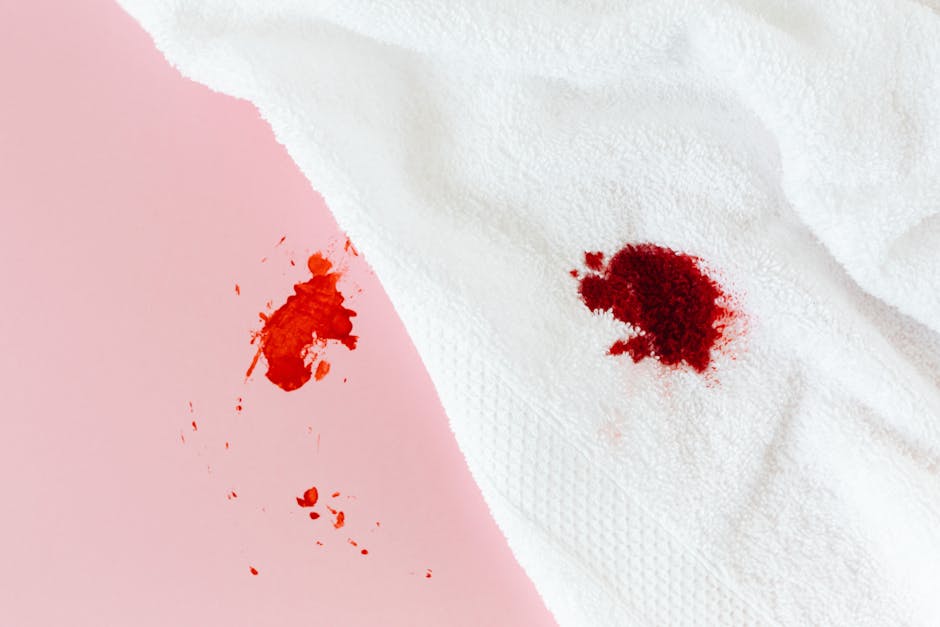
Use a clean white cloth, paper towel, or absorbent pad to blot gently from the outside of the stain inward. This keeps the mark from spreading. Rubbing can push pigment deeper into carpet fibres and can even roughen the surface of fabric or pile. If the stain is thick, lift away any excess with a spoon or blunt edge first.
3. Check the material
Is it carpet, upholstery, rug wool, laminate, tile, or sealed wood? Different surfaces need different caution levels. On carpet and soft furnishings, use only a small amount of moisture unless you are sure the material can handle it. On hard floors, wipe up the spill quickly and avoid leaving standing liquid in joins, edges, or seams.
4. Identify the stain type
Not every stain behaves the same way. A food stain may be oily and pigmented. A drink stain may be mostly water-based. Ink behaves differently again. If you know what caused it, that knowledge helps guide the cleaner later. If you do not know, do not guess wildly with chemicals.
5. Use plain water only if appropriate
For many fresh, water-based stains, a small amount of cool water on a cloth can help lift residue after blotting. Use it sparingly. Do not soak the area. Do not flood carpet underlay or cushion fillings. Damp is manageable. Wet is a headache.
6. Avoid aggressive products unless instructed
Bleach, ammonia, strong solvents, coloured stain removers, and perfume-heavy sprays can create more problems than they solve. Some products damage dye, leave rings, or react poorly with later professional treatments. If you are not sure, hold off.
7. Protect the area
Once the immediate spill is under control, stop traffic over the area. Place a dry towel over it if needed, but do not press hard. Keep pets and children away. It sounds basic, yet a surprising number of stains get worse because somebody walks over them three times while "having a quick look."
8. Prepare for the cleaner
Make a note of what happened, when it happened, and what you used on it, if anything. That information can save time and help the cleaner choose the safest method. Even a quick sentence such as "coffee spill at 7pm, blotted with water only" is very helpful.
| Stain type | Best immediate response | What to avoid |
|---|---|---|
| Coffee or tea | Blot, then use a small amount of cool water if safe | Scrubbing and hot water |
| Red wine | Blot gently and contain the spill | Saturating with random cleaners |
| Grease or oil | Lift excess, keep the area dry, wait for specialist treatment | Rubbing hard or adding water too early |
| Ink | Blot carefully and isolate the area | Spreading with solvent-based products |
| Pet accident | Blot, protect the area, and manage odour cautiously | Mixing different chemicals |
Expert Tips for Better Results
A few small habits make a noticeable difference. In our experience, the people who get the best outcome are not the ones with the most products; they are the ones who stay calm and avoid "helpful" improvisation.
- Always test in an inconspicuous spot if you use any cleaner at all. A corner, hidden edge, or back section can tell you a lot.
- Use white cloths rather than coloured towels. Dyes can transfer. Yes, even from a towel that looks harmless.
- Work from the outside in so the stain does not spread wider.
- Keep heat away unless you know the material and stain type can take it.
- Air movement helps. Open a window or use gentle ventilation if the area can safely dry.
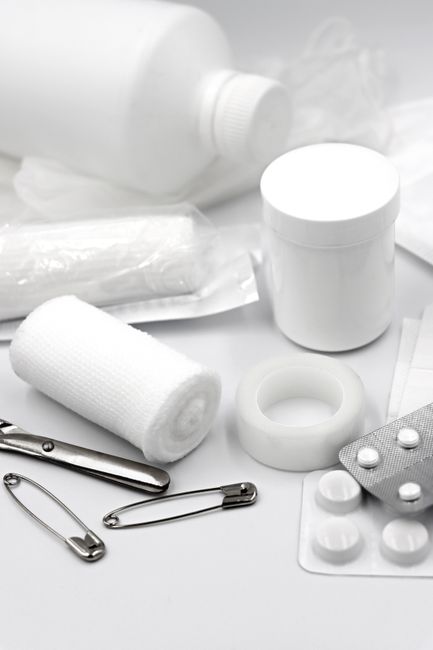
- Keep a simple spill kit ready in homes or offices with absorbent cloths, paper towels, gloves, and a small container for waste.
A practical tip that gets overlooked: take a quick photo before you touch the stain, if you can do so safely. Not for drama, just for reference. It helps you remember the size, shape, and colour before any cleaning attempt changes it.
If you are dealing with upholstered seating, there is another useful thing to remember: cushions often trap moisture more than people realise. A surface may look fine while the inner filling is still damp. That hidden moisture is one reason why upholstery can develop lingering odour or water marks. If the item is delicate, you may want to pair emergency care with professional upholstery cleaning rather than leaning too heavily on DIY steps.
Common Mistakes to Avoid
Most stain disasters are not caused by the original spill. They are caused by the rushed fix. That is the part people often miss.
- Rubbing instead of blotting: This pushes the stain deeper and can fuzz fibres.
- Using too much water: Oversaturating carpets or sofas spreads the stain and may cause ring marks.
- Mixing cleaning products: Dangerous in some cases, and often just messy in every case.
- Using bleach on coloured materials: This can strip dye and leave a bigger problem than the original stain.
- Applying heat too soon: Ironing or hot air can set some stains permanently.
- Waiting until it dries completely: A dry stain can be much harder to remove.
- Panicking and trying several methods at once: That usually muddies the issue, literally and otherwise.
There is also the less obvious mistake of doing nothing because you are worried about making it worse. In some situations that restraint is sensible. But if the stain is fresh and safe to blot, some action is better than none. The trick is knowing the difference.
Tools, Resources and Recommendations
You do not need a cupboard full of specialist products to handle the first few minutes. A modest, sensible set of tools is enough for most emergencies.
- white microfibre cloths or plain paper towels
- a blunt spoon or scraper for solids
- a small bowl of cool water
- mild liquid solution only if appropriate for the surface
- disposable gloves for messy spills
- bin bag or sealable waste bag for contaminated towels
- fan or open window for gentle drying
For households with carpets and rugs, it helps to know the difference between the surface types in the property. A handmade rug, a wool hallway runner, and a fitted synthetic carpet all deserve different handling. If you need a broader sense of the service options available after an emergency spill, the page on services we provide gives a helpful overview.
In London homes, where rain, street grit, and heavy foot traffic are part of life, quick stain response is often the difference between a small inconvenience and a longer cleaning job. A bit of hallway mud from a wet coat? Easy to underestimate. Then suddenly it is ground into the fibres by the end of the day. Happens all the time, honestly.
Law, Compliance, Standards, or Best Practice
For most domestic spills, there is no special legal process you need to follow. What does matter is safe handling, sensible cleaning, and care for the material. In workplaces and rental properties, you should also think about housekeeping duties, risk management, and avoiding damage to the property or furnishings.
From a best-practice perspective, a few principles stand out:
- Use products safely and keep them away from children and pets.
- Do not mix chemicals unless the label clearly says it is safe to do so.
- Protect porous surfaces from unnecessary moisture.
- Record what was spilled and what was used if a professional cleaner will follow.
- For commercial spaces, keep the area safe for staff and visitors while the stain is being managed.
If the stain involves bodily fluids, harsh chemicals, or something potentially hazardous, treat it more cautiously. Use gloves, avoid direct contact, and keep others away until the situation is properly assessed. That is not being dramatic. It is just sensible.
For landlords and tenants, it is usually wise to avoid aggressive treatment that could worsen damage before the issue is properly evaluated. A cleaner can often help with restoration advice, but only if the surface has not already been overtreated. In other words: no improvising with half-remembered internet hacks. Been there, seen the aftermath.
Options, Methods, or Comparison Table
There is no single best method for every spill. The right move depends on the stain, the surface, and how quickly you plan to have the area professionally cleaned. Here is a straightforward comparison.
| Method | Best for | Pros | Cons |
|---|---|---|---|
| Dry blotting | Fresh liquid spills on carpet, upholstery, and fabric | Safe, fast, low risk | May not remove deeper residue |
| Light water blotting | Water-based stains that are still fresh | Can dilute and lift residue | Too much water creates spread or rings |
| Spot treatment with mild product | Known, compatible stains on suitable materials | May improve stain release | Risk of residue or damage if misused |
| Professional treatment only | Delicate, large, old, or unknown stains | Lowest risk of worsening the stain | Requires waiting for the cleaner |
The practical takeaway? If you are unsure, choose the least invasive option first. That is usually dry blotting, maybe followed by a tiny amount of cool water if it is appropriate. Anything stronger should be left alone unless the cleaner has advised otherwise.
Case Study or Real-World Example
Picture a fairly ordinary evening in a London flat. A takeaway bag tips over on the living room rug and leaves a greasy sauce stain with a bit of colour in it. The first instinct is to grab the nearest cloth and scrub. Instead, the resident pauses, lifts away the solids with a spoon, blots gently with a white cloth, and keeps the area dry. They do not add detergent. They do not soak the rug. They note the time and the contents of the spill.
By the time the cleaner arrives the next morning, the stain is still visible but has not spread across the rug fringe or soaked into the backing. The cleaner can treat the residue efficiently without first dealing with water damage, detergent residue, or matted fibres. The result is much better than it would have been if the resident had attacked it with a strong kitchen spray and a stiff brush at 10pm. Classic "well, I tried" territory.
That is really the point of emergency stain treatment. It is not about pretending to be a professional. It is about doing just enough, and no more, so the professional can do their best work.
Practical Checklist
Use this quick checklist when a stain happens and you know cleaners are on the way.
- Stop the spill or remove the source.
- Blot gently with a clean white cloth or paper towel.
- Lift solids carefully without rubbing.
- Identify the surface: carpet, rug, upholstery, or hard floor.
- Use minimal moisture only if appropriate.
- Avoid bleach, heat, and mixed chemicals.
- Keep traffic, pets, and children away from the area.
- Write down what happened and what you used, if anything.
- Let the area breathe without oversaturating it.
- Hand the cleaner clear information when they arrive.
Expert summary: The safest emergency response is usually simple: blot, do not scrub; keep it small; avoid random products; and leave deep treatment to the cleaner. Small calm actions beat big messy ones every time.
If the stain is on flooring rather than soft furnishings, you may also want to look at hard floor cleaning after the immediate spill has been contained. Different materials need different care, and hard floors are especially sensitive to residues, scratches, and trapped moisture in seams.
Conclusion
Emergency stain treatment is one of those chores that feels small in the moment and surprisingly important later. The right first response can protect the surface, make the cleaner's job easier, and give you a much better final result. The wrong response can spread the stain, set it deeper, or leave behind a new problem entirely.
So keep it simple. Blot, do not rub. Use minimal moisture. Avoid guesswork with chemicals. And if the stain is large, delicate, or unusual, step back and let the professional take over. That is not giving up; it is making a sensible call.
For a trusted local service, you can also learn more about the company on the about us page or see how the team works across Greater London and nearby areas. If a quick response has helped you keep the damage under control, the next step is simply getting the right cleaner in to finish the job properly.
Get a free quote today and see how much you can save.
And if nothing else, remember this: a stain looks less scary once you stop feeding it. Funny how that works.