



Guide to protecting floor finishes during furniture moves
Posted on 01/07/2026
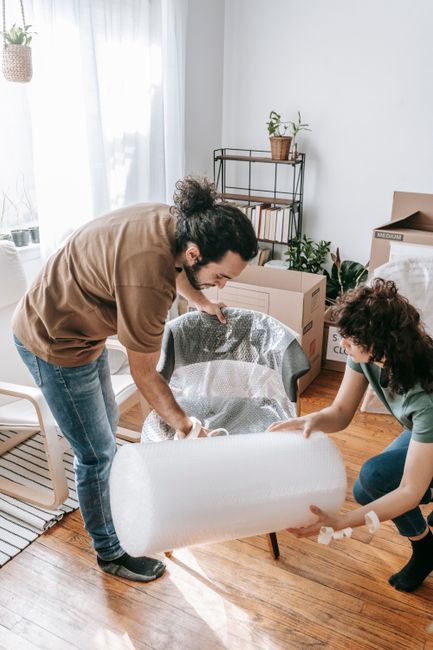
If you have ever watched a sofa leg scrape across polished wood or heard a fridge drag with that awful grating sound, you already know the problem. The Guide to protecting floor finishes during furniture moves is really about preventing avoidable damage: dents, scratches, scuffs, chipped sealants, and the slow wear that shows up after the move is over. Whether you are shifting one heavy wardrobe across a flat or coordinating a whole office move, the same principle applies: protect the finish before the weight starts moving.
This guide walks through the practical methods that work in real homes and workplaces. You will learn how different floor finishes react to movement, which protection materials to use, how to prepare a route, what mistakes cause most damage, and when it makes sense to bring in professional support. Truth be told, a little planning saves a lot of regret later.
Why Guide to protecting floor finishes during furniture moves Matters
Floor finishes are often more delicate than people expect. A hard-wearing surface can still be vulnerable at the edges, around seams, under casters, or on any section that takes concentrated pressure. A move does not have to be chaotic for damage to happen either. One badly placed lift, one stone caught under a table leg, one overconfident tug, and the finish can mark in a second. Annoying? Absolutely.
Protecting floors matters for three simple reasons. First, repairs are usually more expensive and time-consuming than prevention. Second, floor damage can make a property look tired even when everything else is clean and well kept. Third, some finishes do not just scratch; they can crush, dull, or lose their protective coating, which means the damage can keep spreading. In rental homes, managed buildings, retail spaces, and offices, that can quickly turn into a conversation nobody wants to have.
There is also a practical side that gets overlooked. Better protection makes moving easier. Furniture slides more predictably on the right surface. Teams can work with less strain. And doors, skirting boards, corners, and floor edges are less likely to get caught in the chaos. So yes, it is about appearance, but it is also about control.
How Guide to protecting floor finishes during furniture moves Works
The basic idea is straightforward: create a barrier between the furniture and the floor, reduce friction, and distribute weight more evenly. That sounds simple, but the detail matters. Different floor finishes need different levels of protection, and different pieces of furniture create different risks.
For example, heavy items with narrow legs put pressure into tiny points. Sofas and cabinets may drag rather than lift if the route narrows. Furniture with metal feet can gouge softer surfaces. Castors can leave tracks or indentations, especially on wood, vinyl, and some resilient finishes. Even a clean floor can become vulnerable if the moving path picks up grit from shoes or packaging.
The method usually works in layers:
- Preparation: clear the route, remove loose debris, and measure awkward turns.
- Protection: apply felt pads, sliders, runners, blankets, boards, or other suitable coverings.
- Handling: lift, tilt, or roll in a controlled way instead of dragging blindly.
- Monitoring: check the protection as you move and stop if anything shifts.
That last part matters more than people think. Floor protection is not a set-and-forget job. A blanket can bunch up. A board can slide. A slider can flip. A good team keeps watching, even if the move feels routine.
Key Benefits and Practical Advantages
Good floor protection pays off in a few ways that are easy to appreciate once you have seen the alternative.
Less visible damage. Scratches, dents, and dull patches are the obvious issue, but there is also finish loss. A floor may not look torn, yet it can lose its sheen in a line where furniture was dragged. That is especially common on lacquered timber and polished stone.
Lower repair risk. Once a finish is damaged, repairs can be awkward to blend. Sometimes one small repair stands out more than the original mark. That is a frustrating game to play.
Safer moving conditions. Protection materials can improve grip and reduce sudden slips. That helps the people moving the furniture and the property itself. If a piece begins to shift unexpectedly, the floor often takes the first hit.
Better outcomes for landlords and tenants. In a flat move, a protected floor helps avoid disputes about wear and tear. In commercial settings, it keeps client-facing areas presentable. If your business needs ongoing support around cleanliness and upkeep, it can help to look at services like house cleaning, office cleaning, or hard floor cleaning as part of a wider care plan.
Less stress on the day. Honestly, this one is underrated. A protected route feels calmer. People move more carefully, the job flows better, and you are not constantly staring at the floor hoping for the best.
Expert summary: The best floor protection is not the thickest material you can find. It is the right material, placed in the right way, with enough care to stop movement, pressure and grit from reaching the finish.
Who This Is For and When It Makes Sense
This guide is useful for almost anyone moving furniture, but the need becomes urgent in a few common situations.
Homeowners and renters need it when moving dining sets, beds, wardrobes, sofas, bookcases, pianos, or appliances. Timber floors and laminate are especially common trouble spots, though vinyl and tile can also mark if a heavy item catches an edge.
Landlords and letting agents need a sensible, repeatable approach because furniture movement often happens during check-ins, check-outs, refurbishments, or maintenance visits. One careless move can undo months of good presentation.
Office managers face a different kind of pressure. Desks, pedestals, filing cabinets, conference tables, printers, and reception furniture tend to be bulky and awkward. Commercial floors often see more traffic too, so any new mark stands out quickly. It is one reason many businesses keep a tidy schedule for office cleaning and periodic surface care.
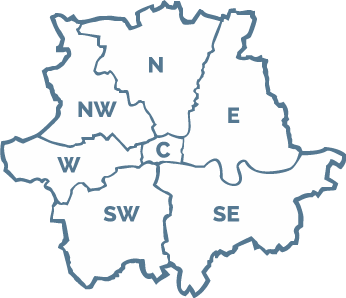
Move coordinators and cleaners benefit from standardising the process. If a building has mixed flooring, shared corridors, or fragile finishes, a consistent approach avoids a lot of back-and-forth. And if you regularly handle flats, offices, or reception areas across London, it is worth knowing what support exists locally, including coverage in Central London, North London, and West London.
When does it make sense to go beyond basic felt pads? Usually when the furniture is heavy, the finish is high-value, or the route is awkward. If you are asking, "Can we just carefully carry it?" the honest answer is maybe, but you should still protect the floor anyway. Better safe than sorry, as people say for good reason.
Step-by-Step Guidance
Here is a practical approach that works in most homes and workplaces. Adapt it to the floor type, the weight of the furniture, and how far you need to move it.
1. Inspect the floor first
Look for existing scratches, loose boards, lifted tiles, grit, and damp patches. Existing weaknesses can worsen during a move. A tiny chip at the edge of a plank, for example, can become a longer split if a heavy leg rolls over it.
2. Clear and clean the route
Remove shoes, plant pots, bags, cords, toys, and anything else that could snag. Sweep or vacuum the route so there is no grit under the protection. This step sounds basic. It is. It is also where many problems begin if skipped.
3. Measure tight turns and narrow points
Doorways, corridors, stair landings, and kitchen corners are where furniture tends to twist. Measure them before you start, because a forced turn can push weight sideways into the floor finish. If there is no easy path, choose a different route rather than improvising halfway through.
4. Choose the right protection
Use felt pads for stationary furniture, sliders for short moves, runners or protective sheets for routes, and boards or rigid panels for heavy loads where extra weight distribution is needed. For very delicate finishes, combine more than one method. For example, a runner over a clean floor with sliders under the furniture can work well for a short controlled repositioning.
5. Lift, do not drag where possible
Dragging is the fastest way to mark a finish. If the item is heavy, use enough people or proper moving equipment to raise it safely. If lifting is not practical, shift it on suitable movers rather than bare floor contact. No heroics. Floors do not care how strong you feel at 9 a.m.
6. Move slowly and check the protection
Stop once or twice and look underneath if you can. Has a pad moved? Has grit worked under the edge? Has a board slipped out of place? Small adjustments prevent large mistakes.
7. Remove the protection carefully
Once the furniture is in place, lift away any temporary materials rather than yanking them. Then inspect the floor in good light. Morning light through a window or a lamp across the surface can reveal marks that are easy to miss at first glance.
8. Refit permanent protection if needed
If the furniture will stay put, add proper felt pads or adjustable feet. That reduces future damage every time someone nudges the piece. It is a small job that pays back every day.
Expert Tips for Better Results
A few practical habits make a noticeable difference.
- Use clean, dry materials only. A dusty blanket can do more harm than good. Tiny trapped particles behave like sandpaper.
- Choose protection by floor type, not by habit. Wood, laminate, stone, vinyl, and tile each react differently.
- Protect corners and entry points twice. Thresholds and turn points are where floors usually get clipped.
- Do not rely on one thin layer for a heavy item. For a large wardrobe or display cabinet, spread the load with something rigid underneath.
- Test movement on a small section first. Especially if the floor has a soft or glossy finish.
- Keep an eye on moisture. Wet blankets, damp shoes, or condensation can affect some floors and make protection less reliable.
A small practical observation: if the floor squeaks, flexes, or sounds hollow in places, treat it gently. That sound is often the floor telling you it has limitations. It is not being dramatic.
If a move is part of a bigger refresh, combining furniture protection with surface care can be sensible. Many customers time it around deeper cleaning, such as steam carpet cleaning for soft floors, rug cleaning for area rugs, or upholstery cleaning before furniture goes back into place. Once everything is out of the way, it is usually the cleanest moment you will get for a while.
Common Mistakes to Avoid
Most floor damage during furniture moves comes from a few predictable errors. Knowing them helps you sidestep the mess.
- Dragging furniture on bare floors. This is the obvious one, but it still happens when people are tired or rushing.
- Using the wrong protection for the finish. A smooth board can still slide if it is not anchored or monitored.
- Ignoring hidden grit. Even a single grain under a leg can leave a trail.
- Forcing oversized furniture through a tight space. If it needs to be twisted hard, the floor and walls are both at risk.
- Assuming castors are harmless. They roll, yes, but they can also indent or mark softer surfaces.
- Skipping the final inspection. By the time you notice a mark later, it is often harder to prove what caused it.
There is also a subtle mistake: using too much speed. A fast move feels efficient, but it often creates the very problems you were trying to avoid. Slow is not glamorous. Slow works.
Tools, Resources and Recommendations
You do not need an elaborate kit to protect floors well, but the right tools help a lot.
| Protection method | Best for | Strengths | Watch-outs |
|---|---|---|---|
| Felt pads | Furniture that stays in one place | Reduces everyday scuffing | Not suitable for moving heavy items |
| Furniture sliders | Short controlled moves | Lower friction, easy repositioning | Can slip if dust or moisture is present |
| Moving blankets | General protection and wrapping | Cushions edges and corners | Can bunch up if not secured properly |
| Protective runners | Walkways and move routes | Creates a clean barrier | Should be laid flat and checked often |
| Rigid boards or panels | Heavy furniture and load spread | Distributes weight more evenly | Needs careful placement to avoid sliding |
For a larger move, it helps to have a few extra basics to hand: gloves, tape that will not leave residue, a vacuum or dustpan, a torch for checking under furniture, and door guards if the route is cramped. Simple stuff. But that is usually what saves the day.
If the move is happening in a property that needs more than just floor care, you may also find it useful to review the broader service information on services we provide and to check the company background on about us before booking anything extra. For price-conscious planning, the special prices page can be worth a look too.
Law, Compliance, Standards, or Best Practice
For most domestic furniture moves, there is no special legal process for floor protection. Still, there are some best-practice expectations worth taking seriously, especially in workplaces, managed properties, and shared buildings.
Health and safety. Moving heavy items should be done in a way that reduces the risk of slips, trips, and strains. That means keeping routes clear, using appropriate lifting techniques, and not asking one person to wrestle an item that clearly needs two or more people.
Duty of care in shared spaces. In offices, blocks, and commercial units, floor damage can affect other occupants or customers. Careful protection helps avoid complaints and keep common areas presentable.
Landlord and tenant expectations. In rental settings, the usual standard is to avoid damage beyond normal wear and tear. That is not a legal grey area so much as a practical one: if the floor was protectable and was not protected, arguments tend to follow. Nobody enjoys those emails.
Manufacturer guidance. Some floor finishes have specific care advice, especially timber, laminate, engineered wood, stone sealants, and luxury vinyl. Where product guidance exists, it should generally take priority over guesswork.
In London properties, shared entrances, narrow stairwells, and older floorboards can add another layer of caution. If you are working across different neighbourhoods, local knowledge helps too, whether you are dealing with a flat in East London or a townhouse in South West London.
Options, Methods, or Comparison Table
Choosing the right protection depends on the finish, the weight of the item, and how far it needs to move. Here is a simple comparison to help.
| Method | Best use case | Pros | Cons |
|---|---|---|---|
| Felt pads | Furniture remaining in place | Inexpensive, easy to fit | Not designed for movement |
| Sliders | Short shifts on smooth floors | Reduces friction, easy repositioning | Can fail on dirty or uneven surfaces |
| Blankets | Wrapping corners and protecting edges | Cushions contact points | Need careful securing |
| Runners | Protecting a route across a room or corridor | Good barrier over longer paths | Can crease or move if not checked |
| Boards or panels | Heavy loads and delicate finishes | Spreads weight, offers stronger protection | More awkward to position |
For a polished timber floor, sliders plus a clean runner often work well for short moves. For a heavier object over a delicate or high-gloss finish, a rigid board is usually a better choice. For a quick one-off adjustment, a small slider might be enough. The point is to match the tool to the job, not to use the same fix for every surface.
Case Study or Real-World Example
Picture a typical London flat move. A wardrobe needs to come from a bedroom into a hallway, then out through a tight living room corner. The floor is engineered wood with a satin finish, and the corridor has a few old marks already. Nothing dramatic, but enough to make everyone cautious.
The team first cleared the route, checked for grit near the skirting boards, and laid a protective runner through the narrowest section. Felt pads were added to the wardrobe feet only after the item was in its final position; before that, temporary sliders were used for the short move across the bedroom. At the awkward turn, the item was tipped slightly and guided by two people rather than dragged through the corner. That one choice avoided a scrape on the threshold and kept the board edges intact.
After the move, the floor was inspected in the daylight near the window. No marks. No dull patch. Just a clean route and a relieved sigh from everyone involved. It was not a glamorous process, but it was a good one. Sometimes the best result is the one you barely notice afterwards.
For businesses, the setup is similar, just bigger. A reception desk in a shared building, for example, may need route protection through a lobby, a lift, and a polished entrance zone. In those cases, having local support for office cleaning and hard floor cleaning can help keep the whole environment looking consistent after the move.
Practical Checklist
Use this checklist before furniture starts moving. It is simple, but it catches most of the avoidable issues.
- Check the floor type and identify any fragile or glossy areas.
- Clear the route of loose items, cords, rugs, and clutter.
- Sweep or vacuum to remove grit and small debris.
- Measure doorways, corners, and narrow passages.
- Choose the right protection for the weight and distance.
- Fit sliders, pads, runners, blankets, or boards as needed.
- Use enough people to lift or guide the furniture safely.
- Move slowly and stop if the protection shifts.
- Check thresholds, edges, and corners extra carefully.
- Inspect the floor in good light once the move is complete.
- Replace or refit permanent pads on furniture that will stay in place.
One more small thing: keep a vacuum or dustpan nearby. Grit has a frustrating habit of appearing exactly when you think the route is ready. Typical, really.
Conclusion
Protecting floor finishes during furniture moves is not complicated, but it does reward care, planning, and a little patience. The right preparation prevents scratches, dull patches, pressure marks, and unnecessary repair costs. More importantly, it makes the entire move smoother and less stressful. That matters whether you are shifting one chair or coordinating a full property refresh.
If you remember only one thing, make it this: the floor should never be an afterthought. Clean it, protect it, and move with control. That simple habit saves time, money, and a fair bit of frustration later on.
For properties that need broader support around cleaning, floor care, or move-day preparation, it can help to plan the job as a whole rather than piece by piece. And if you are working across London, there are service areas that may fit your location, including North West London and Greater London.
Get a free quote today and see how much you can save.
In the end, a careful move is a quiet kind of win. The floor stays beautiful, the furniture lands where it should, and everyone gets to breathe a little easier.