





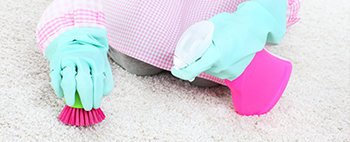
Guide to removing red wine stains from carpets UK
Posted on 20/06/2026
Red wine on a carpet has a way of turning a nice evening into a small crisis. One minute you're topping up glasses, the next you're staring at a dark purple splash spreading through the fibres. If you need a practical, no-nonsense Guide to removing red wine stains from carpets UK, you're in the right place. This article walks you through what to do straight away, what actually works, what to avoid, and when a stubborn stain needs professional help. Simple as that. Or, well, as simple as red wine stains ever get.
In the UK, carpets vary a lot: wool in older homes, synthetic twists in newer flats, rented properties with "please don't stain anything" energy, and family homes where mess happens because life happens. The method you use matters. A wrong move can push the wine deeper, spread the stain, or damage the carpet backing. Let's take it step by step so you can act with confidence rather than panic.
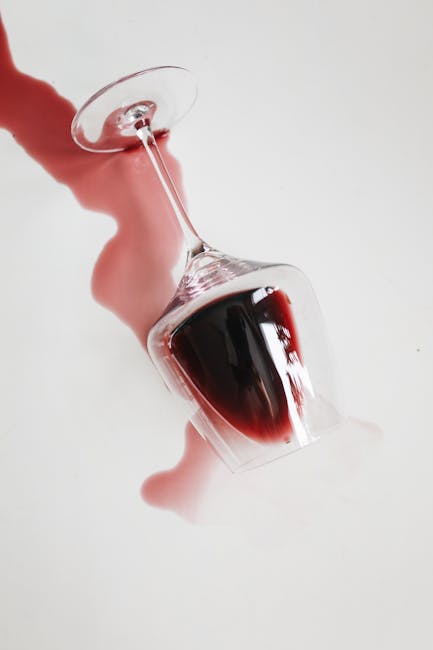
Why red wine stains matter
Red wine stains are not just "a bit of spill." They are one of those marks that can settle in fast, especially on light carpets and loop pile fibres. The colour pigments in wine are strong, and once the liquid spreads, the stain can create a larger halo than the original spill. That means the visible mark is often only part of the problem.
There's also the practical side. If you live in a rented flat, host guests often, or simply want to keep your home looking cared for, a wine stain can be surprisingly annoying. It catches the eye. It makes the whole room feel a little untidy. And if it gets treated badly, it can become a permanent reminder of one Friday night that got away from you.
Truth be told, the first five minutes matter a lot. The quicker you respond, the better your chance of lifting the stain without needing heavy cleaning later. But even if the mark has dried, don't assume it's hopeless. Carpet fibres can be forgiving when treated properly.
If the spill is part of a broader deep clean, many households also think about nearby areas at the same time. For example, if the stain happened during a dinner party, you may want to look at a broader refresh through steam carpet cleaning or even upholstery cleaning if the sofa took a hit too. One problem often travels to another, doesn't it?
How red wine stain removal works
At a basic level, stain removal is about moving the spill out of the carpet before it bonds tightly with the fibres. Red wine contains pigments, sugars, acids, and water. The water carries the colour into the pile, while the pigments cling to fibres and leave the stain behind once the liquid dries.
Most effective methods follow the same logic:
- Lift excess liquid before it goes deeper.
- Dilute the stain to reduce the concentration of pigment.
- Use a mild cleaning solution that helps loosen the mark.
- Blot rather than scrub so you don't damage the pile.
- Rinse and dry properly to avoid sticky residue or a new water mark.
The key is chemistry plus patience. Mild cleaning agents can break the bond between stain and fibre, but harsh products can set the stain or strip colour from the carpet. In some carpets, especially wool, too much heat or the wrong cleaner can cause more trouble than the wine itself. Not ideal.
That's why a sensible UK guide always starts with the carpet type. Synthetic carpets can often tolerate a bit more intervention than delicate natural fibres. If you are unsure, test in a hidden area first. Always.
Key benefits and practical advantages
Doing the job properly gives you more than a cleaner patch. It protects the carpet, saves time later, and reduces the chance of the stain reappearing after drying. There's nothing more frustrating than thinking you've beaten the mark, only to see it ghost back the next morning.
Here are the main advantages of using the right approach:
- Better stain lift on both fresh and lightly dried spills.
- Less fibre damage compared with aggressive scrubbing.
- Lower risk of spreading the stain into a wider patch.
- Fewer odours from sticky residue or trapped sugars.
- Improved carpet appearance without needing a full replacement.
There's also peace of mind. If you know how to respond, a small accident becomes manageable rather than dramatic. That matters in busy homes, holiday periods, and shared properties where people are constantly coming and going. The stain is the problem, not the evening.
For people in London and across the UK, this can also support longer-term carpet care. If red wine has been spilled in a room that already sees heavy use, you may later decide to pair spot treatment with broader cleaning in the home, such as house cleaning or office cleaning where the space is used for work or entertaining.
Who this is for and when it makes sense
This guide is for anyone who has just spilled red wine on a carpet and wants a practical fix without making the situation worse. That includes homeowners, tenants, landlords, hosts, offices with meeting spaces, and anyone who has ever said, "I'll just be careful," a second before disaster struck.
It makes particular sense if:
- the stain is fresh or only partially dried;
- the carpet is in a visible area like a lounge, dining room, or hallway;
- you need to act before guests leave or before a landlord inspection;
- the carpet is wool, synthetic, or a mixed fibre and you need a cautious method;
- you want to avoid over-wetting the carpet and creating a bigger issue.
If the spill has reached a rug as well, the approach may be similar but not identical. Rugs can be more portable, but some dyes and backings are more sensitive. In that case, a dedicated service such as rug cleaning may be the safer route, especially for heirloom pieces or thick pile rugs that hold liquid deep inside.
And if you're wondering whether to do it yourself or call a pro, the answer is usually: it depends on the stain age, the carpet type, and your confidence. Not glamorous, but true.
Step-by-step guidance
Here is the clearest practical process for removing red wine from carpet at home. Work calmly. Rushing tends to make the stain larger, which is a bit rude of it, but there we are.
1. Blot immediately
Use clean white kitchen roll, a dry cloth, or a plain white towel. Press down gently to absorb as much liquid as possible. Do not rub. Rubbing drives the wine into the fibres and spreads the stain sideways.
2. Add a small amount of cold water
Lightly dampen the area with cold water and blot again. This helps dilute the wine so it is easier to lift. Use only a little at a time. You are trying to manage the spill, not recreate the spill.
3. Apply a mild cleaning solution
A gentle carpet-safe solution is usually better than something harsh. If you use a homemade mix, keep it modest and test first in an unseen spot. Avoid anything that could bleach or stain the carpet backing. For delicate fibres, caution wins every time.
4. Work from the outside in
Apply the solution around the edge of the stain first, then move toward the centre. This helps prevent the mark from spreading into a wider ring. Small circular moves are better than big, messy scrubs.
5. Blot, rinse, repeat
Alternate between applying a small amount of solution and blotting it out. Then rinse lightly with clean water and blot again. The goal is to remove the stain and the cleaner. If residue is left behind, dirt can cling to it later.
6. Dry properly
Use a dry towel to press out moisture, then let air circulate. Open a window if weather allows, or use a fan. Damp carpet can smell musty and may dry with a patchy edge. A quick, even dry is better.
7. Check once fully dry
Some red wine stains look lighter while wet and then reappear later. Check the area after it has dried completely. If there is still a mark, repeat the process gently rather than attacking it with more force.
A short real-world note: in a terrace house or flat where the carpet underlay is old, over-wetting can be a nuisance. Liquid can seep down and linger. So yes, water helps, but only in moderation.
Expert tips for better results
Small adjustments make a big difference. A lot of stain removal success comes from restraint, not force. That's the annoying part, because force feels productive. It rarely is.
- Use white cloths only. Coloured towels can transfer dye onto the carpet.
- Work slowly. Quick, repeated pressing is better than frantic rubbing.
- Keep liquids minimal. The carpet should be damp, not soaked.
- Test cleaners first. Especially on wool, beige carpets, or older flooring.
- Dry from the edges inward. This can reduce tide marks.
- Vacuum after fully dry. It lifts the pile and improves the finish.
If you're dealing with a stain in a high-traffic room, the carpet may already hold dust, food crumbs, or foot oil. That can make the mark cling harder. In those cases, a deeper clean after spot treatment can help. The same logic applies to shared homes and small offices, where carpets take a daily beating and the stain seems to choose the worst possible spot.
For homes or workspaces where carpets need a broader refresh, it can be worth looking at hard floor cleaning too, especially if wine splashes landed on adjacent flooring. One spill, one cleanup plan.

Common mistakes to avoid
Most red wine stain disasters are not caused by the wine itself. They're caused by the first response. Fairly annoying, but fixable if you know the traps.
- Scrubbing hard. This spreads the stain and roughs up fibres.
- Using hot water first. Heat can set some stains and make them harder to remove.
- Over-soaking the carpet. Too much liquid can damage the underlay or backing.
- Using random household chemicals. Bleach, strong detergents, or mixed products can create new problems.
- Ignoring the carpet type. Wool and synthetics do not always respond the same way.
- Stopping too soon. A stain may still be there, just hiding while wet.
A common one is panic-cleaning with whatever's closest. Kitchen spray, hand soap, washing-up liquid, a bit of this, a bit of that. It feels helpful in the moment. Usually, it is not. Stick to a measured method.
And please, if the spill was large or the carpet is valuable, don't keep layering products on top of one another. At that point, you're not cleaning the carpet; you're building a science experiment.
Tools, resources and recommendations
You do not need a big kit to deal with a red wine spill. In most cases, a few sensible basics are enough. Keep these close if your home has carpets in main living areas, especially if you entertain often.
| Tool or item | What it does | Best use |
|---|---|---|
| White absorbent cloths | Lifts liquid without transferring dye | Immediate blotting |
| Cold water | Dilutes fresh wine before it sets | First response and light rinsing |
| Mild carpet cleaner | Helps loosen the stain | Spot treatment after blotting |
| Clean towel | Presses out moisture | Drying the area |
| Fan or open window | Speeds up drying | After cleaning |
If you want to be more prepared, a small spot-cleaning kit is worth keeping in the utility cupboard. Nothing fancy. Just the kind of thing you hope never to need, until you do.
For people planning a wider refresh, browsing the company's blog can also be useful for related cleaning topics and seasonal maintenance ideas. And if you want to understand the full range of help available, the services overview gives a broader picture without overcomplicating things.
Law, compliance and best practice
For a household stain, there is no special legal process to follow, but there are still sensible best practices. In UK homes and rented properties, it is always wise to avoid using products that could damage flooring, release strong fumes, or create slip risks while drying. If you are a tenant, it is also sensible to check your tenancy responsibilities and avoid actions that make a small stain into a chargeable repair.
In shared buildings, offices, or managed properties, best practice usually means cleaning safely, keeping the area ventilated, and using products exactly as directed. If a professional cleaner is involved, they should be cautious about fibre type, colour fastness, and moisture control. That part matters more than people think.
If the carpet is in a commercial space, such as a meeting room or reception area, cleanliness standards are often linked to presentation and safety rather than a single rulebook. A clean-looking floor sends a better signal to visitors, clients, and staff. It's boring, but true.
Where health and safety is concerned, the basic idea is simple: avoid over-wetting, prevent slips, and do not mix cleaning chemicals unless the product instructions clearly allow it. If you are ever unsure, use the gentlest safe option or bring in a specialist. Better a cautious approach than a damaged carpet and a headache.
Options and method comparison
There is more than one way to handle a wine stain, and the right choice depends on timing, carpet type, and how much risk you want to take. Here's a straightforward comparison.
| Method | Best for | Pros | Watch out for |
|---|---|---|---|
| Immediate blotting and cold water | Fresh spills | Fast, gentle, low-risk | May not fully remove older stains |
| Mild carpet cleaner | Light to moderate stains | Better stain lift, easy to control | Needs testing on delicate carpets |
| Repeated spot treatment | Dried but manageable stains | Can gradually lift residue | Time-consuming; avoid over-wetting |
| Professional deep cleaning | Large, old, or stubborn stains | More thorough, safer for tricky fibres | Higher cost than DIY |
The honest answer? Fresh spills are usually DIY-friendly if you act quickly. Older stains, delicate wool, or repeated spill marks often need a deeper approach. If the carpet is also due for a general refresh, a specialist visit can be worth it rather than chasing the stain for an hour and getting nowhere.
For properties in London, location can matter simply because access, property type, and carpet usage vary a lot. If you need a local service, the relevant area pages such as Central London, North London, or West London can help you check availability where you live or work.
Case study or real-world example
Imagine a Friday evening in a South London flat. Dinner has finished, the carpet is fairly light beige, and a glass tips over near the sofa. The spill is noticed quickly, which is the saving grace. The first step is blotting with a dry white cloth, not chasing the stain around with a damp tea towel that was already sitting nearby.
Cold water is added in small amounts, then blotted again. A mild carpet cleaner is tested at the edge of the mark first. The stain begins to fade, but a faint shadow remains once dry. Instead of scrubbing harder, the homeowner repeats the gentle treatment the next day. The second pass works better because the first round lifted some pigment and residue already.
A few days later, the room still looks tired overall, so the owner arranges a broader carpet clean rather than trying to fix one patch in isolation. That is often the sensible line to draw. Spot treatment is useful. Full-room cleaning is useful too. They just do different jobs.
This kind of situation comes up in houses, rented flats, and even small offices after social events. The exact details vary, but the pattern is the same: respond quickly, keep the method gentle, and know when the stain is beyond DIY confidence.
Practical checklist
Use this quick checklist when a red wine spill happens. It helps keep you calm and stops the usual "what do I grab first?" scramble.
- Blot immediately with a clean white cloth or kitchen roll.
- Do not rub the stain.
- Apply a small amount of cold water.
- Use a mild carpet-safe cleaner if needed.
- Test the cleaner on a hidden area first.
- Work from the outer edge toward the centre.
- Blot out excess moisture after every application.
- Avoid soaking the carpet.
- Let the area dry fully.
- Check for a returning stain once dry.
- Call a professional if the mark is large, old, or delicate to treat.
Expert summary: The best red wine stain removal method is usually the gentlest one that works quickly. Fresh stain, small area, careful blotting, low moisture. That simple sequence is often what saves the carpet, not a miracle product or frantic scrubbing.
Conclusion
Red wine stains are stressful, but they are not automatically disastrous. The best results usually come from acting quickly, using the right amount of moisture, and resisting the urge to scrub hard. If you remember just one thing from this Guide to removing red wine stains from carpets UK, let it be this: calm, controlled blotting beats panic every time.
For fresh spills, a careful DIY approach often works well. For older marks, delicate carpets, or stubborn stains that keep coming back, a deeper professional clean may be the better long-term answer. Either way, you now know what to do next, and that's half the battle. Honestly, a carpet stain is bad enough without the uncertainty that comes with it.
If you are dealing with more than one cleaning issue at home or in a commercial space, it can also help to think beyond the spot itself and consider a broader cleaning plan. That way the room feels refreshed, not just patched up.
Get a free quote today and see how much you can save.
And if the stain has already tested your patience, take a breath. It happens. What matters is the next move, and now you've got one.